Mr. A — China-based technology educator

Building Serious Technology Learning

Mr. A teaches Computer Science, Design Technology, robotics, and physical computing in China. His students build games, circuits, prototypes, sensor systems, and working machines, then explain, test, and improve them.

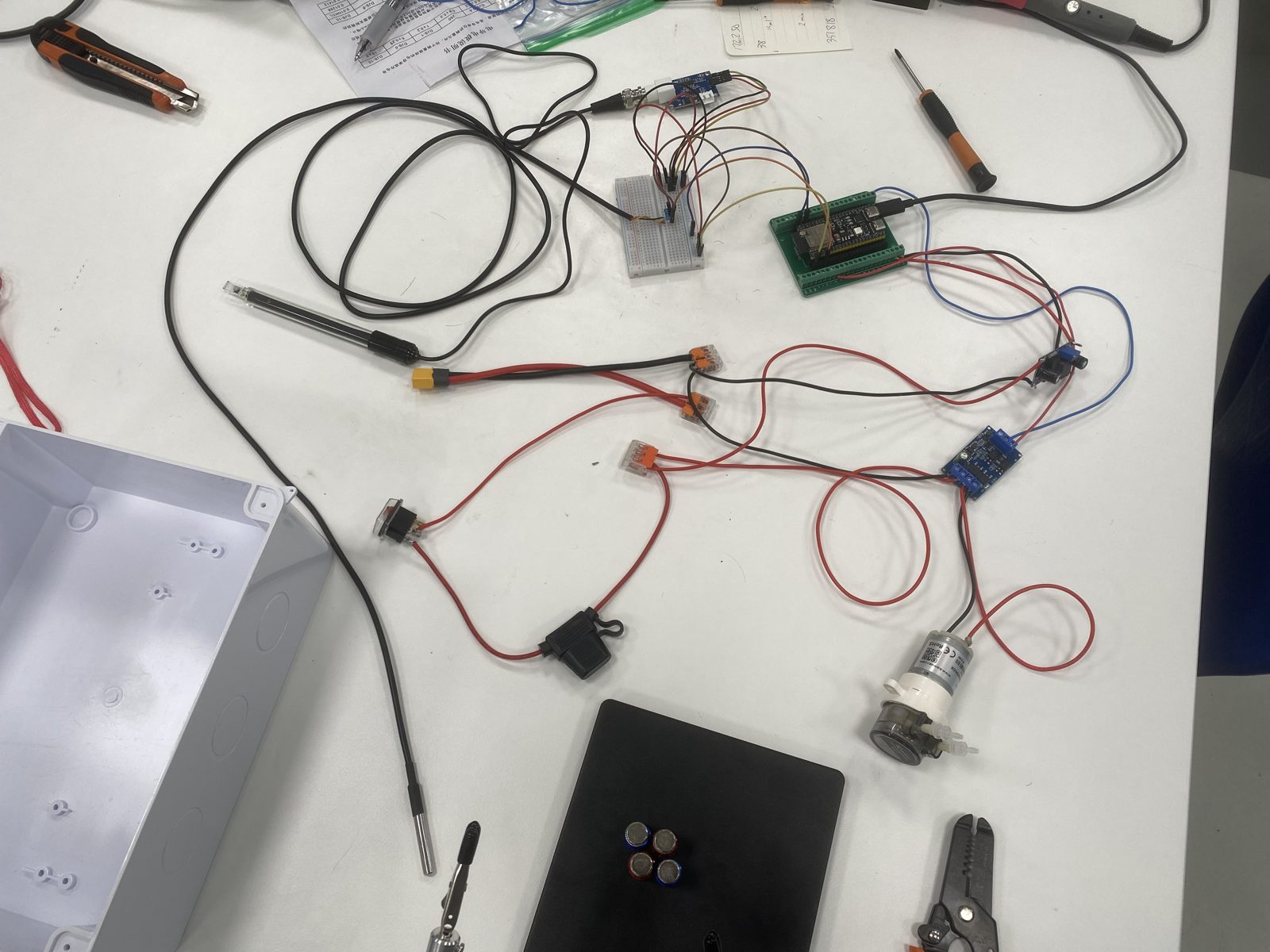
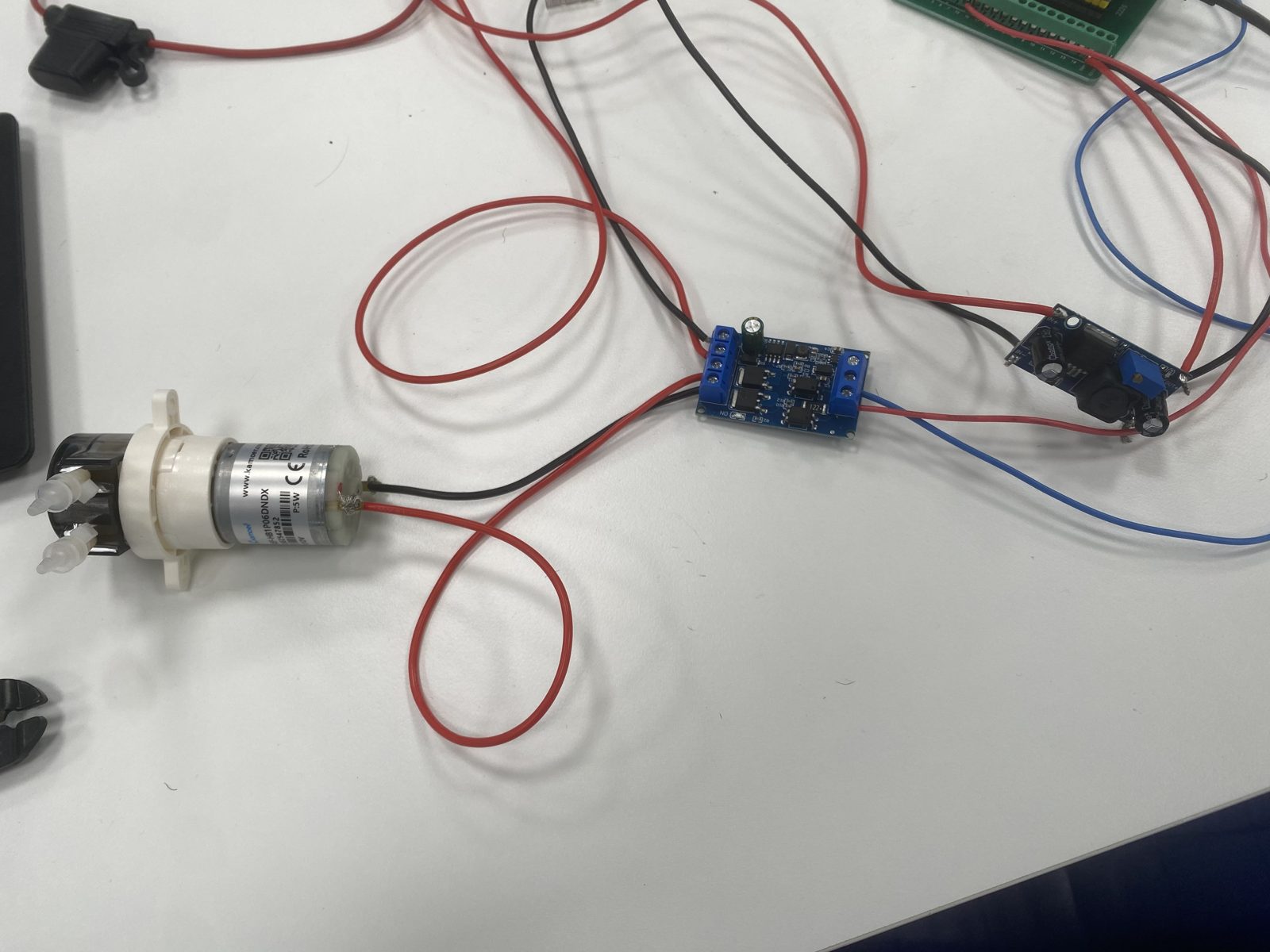
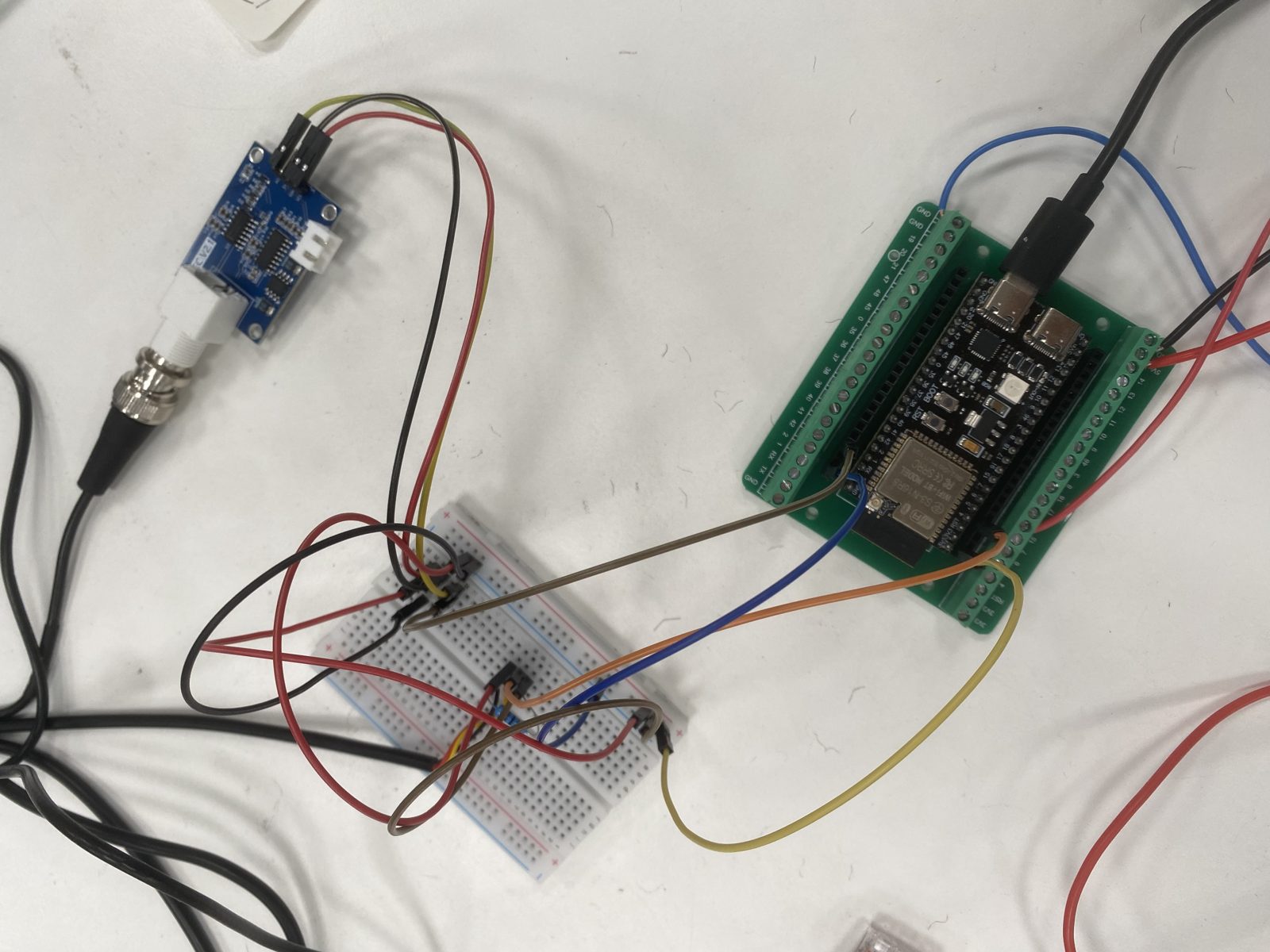
Environmental monitoring vessel diagram sensor bay battery
environmental monitoring vessel prototype plate 01
Professional position

Computer Science, Design Technology, and STEAM education with evidence.

Technology class should not be screen time with a worksheet. Students should design systems, write code, build prototypes, test ideas, collect data, revise their work, and explain what they have made.

  • Coherent curriculum from MakeCode and game logic to Python, robotics, sensors, and applied computer science.
  • Project-based learning with technical difficulty, assessment discipline, and finished artifacts.
  • Program-building capacity for future Head of Technology, Innovation, or Design Technology roles.
Featured project

Student-Built Environmental Monitoring Vessel

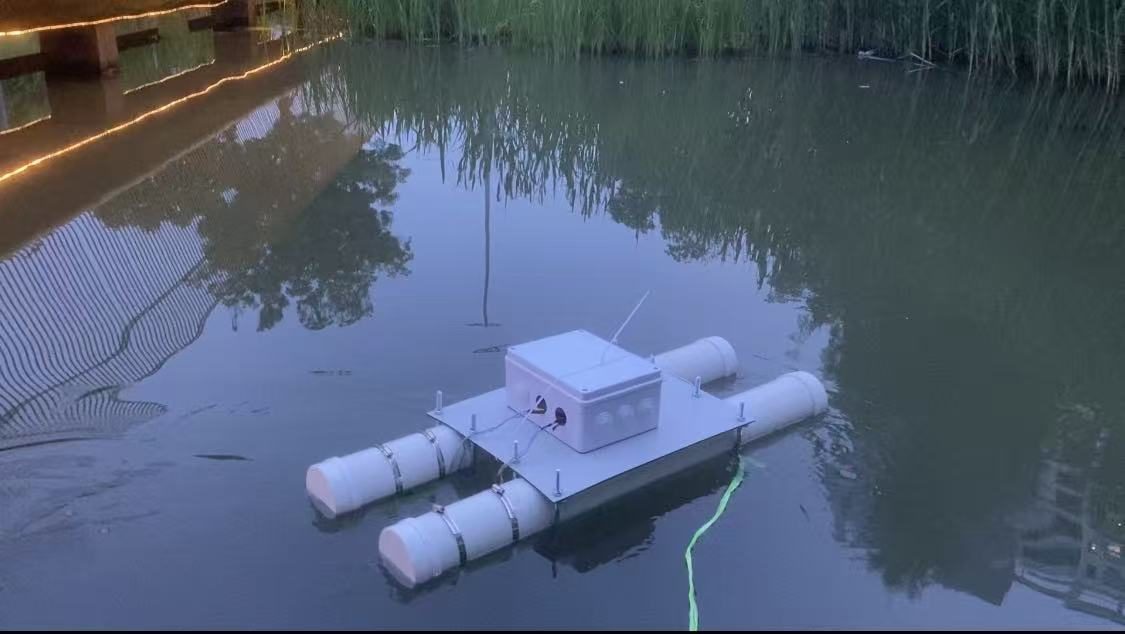
A student-built sensor platform for collecting water-quality data from a local canal, combining microcontrollers, waterproofing, power management, environmental science, and design iteration.

ESP32sensorsCADwaterproofingdata logging
Read case study
Environmental monitoring vessel diagram sensor bay battery
environmental monitoring vessel prototype plate 01
Curriculum

A Coherent Technology Pathway

View units
Grade 6-7

Creative Coding

Game logic, events, variables, iteration, debugging, and design documentation.

Grade 8-9

Physical Computing

Microcontrollers, sensors, circuits, data collection, prototype testing, and technical explanation.

Grade 9-10

Applied CS

Python foundations, robotics, autonomous systems, AI workflows, and assessment through finished work.

Writing

Mr. A Designs a School

All writing
Technology Education

Students Should Build Systems, Not Posters

Project-based learning becomes serious when the project has a technical burden: a system must work, fail, be tested, and be improved.

Downloads

Featured Teaching Resources

Resource archive
Student handout

Environmental Monitoring Vessel Brief

A project brief for designing, testing, and documenting a student-built water-quality monitoring platform.

Download
Rubric

Game Design Rubric

A rubric for assessing playable game mechanics, code logic, testing, revision, and student explanation.

Download
Teacher notes

Physical Computing Circuit Notes

A concise teacher reference for breadboards, sensors, outputs, common faults, and classroom debugging routines.

Download